
Aviation security training for airport security operations
Preparing operators for the next generation of airport security screening
Security operations are constantly changing. Airports are transitioning from traditional X-ray screening to CT-based screening, introducing remote image analysis, integrating AI-assisted detection tools such as APIDS and IOAO and are deploying increasingly smart checkpoint concepts.
While technology continues to advance rapidly, one thing has become clear throughout the projects we support: Security personnel remain a decisive factor in operational performance and key to the success of introducing new technologies
At Point FWD, we see training as a fundamental enabler of secure, reliable and future-ready security operations. Our Training Proposition assists airports, OEMs and security companies prepare and guide their workforce for the next generation of aviation security.
Authors

Femke Lettinga
Senior Consultant
Femke@pointfwd.com

Robin van Gemert
Managing Director
Robin@pointfwd.com
Article highlights
Technology is not enough: New screening technology changes more than equipment. It also changes procedures, operator decisions, workload and the way exceptions are handled.
Human factors matter: Fatigue, cognitive load, task switching, stress, motivation and sensory perception all influence operator performance in daily security operations.
Training starts with the operation: Effective aviation security training connects equipment, CONOPs, staffing models, passenger flows and local checkpoint conditions.
Proof in practice: For Vanderlande’s PAX Advanced checkpoint solution, more than 200 operators were trained, with a 4.5 out of 5 satisfaction score and 150+ operator feedback insights collected.
Want to put the focus on the human factor?
Why training in aviation security matters
Modern security screening requires operators to process more information, make decisions more quickly and work accurately within increasingly connected and more complex checkpoint environments.
Three factors are especially important:
Human-machine interaction determines success
Technology defines what is technically possible, but operators determine what is achieved in daily operations. System usability, workload distribution and operator behavior all influence how a security process performs.
Operator satisfaction is connected to performance
Clear graphical user interfaces, ergonomic workstations, well-defined procedures and supportive supervision can improve operator motivation and confidence. These conditions help operators use new systems consistently and perform their tasks effectively.
Legislation, CONOPs and training need to evolve together
The transition toward CT screening, APIDS and remote operations changes the operational ruleset. When training does not develop alongside those changes, gaps can emerge between the intended process and the way it is performed in practice.
What makes Point FWD training different?
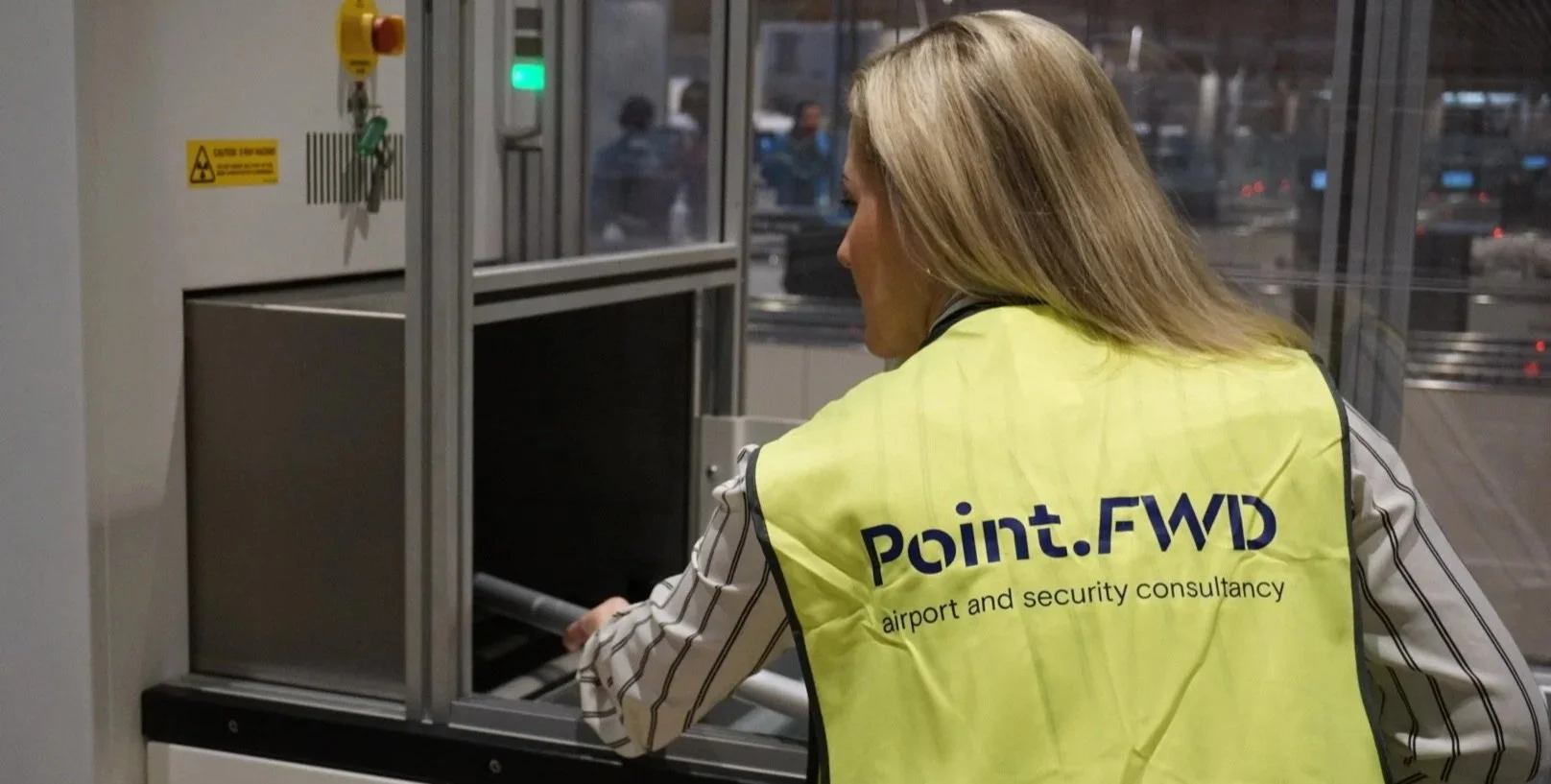
At Point FWD, we do not see training as a stand-alone supporting activity. For us, it’s an integral part of technology deployment, process design and human-centered operational readiness – connecting people, processes and performance.
Aviation security training built on operational expertise
Our trainers and consultants have supported large-scale security transitions, including CT rollouts, APIDS deployments, smart security transformations, graphical user interface redesigns and new lane implementations. This experience helps us explain not only what operators need to do, but also why tasks are performed in a specific way and under which operational conditions.
Data-driven training for operator performance
Training is supported by operator performance research, real-life observations and insights from monitoring systems such as the Checkpoint Insight Tool. These sources help us connect training content to how equipment and processes perform in live security checkpoint operations.
Human factors in airport security training
Human factors are included throughout the program. Fatigue, cognitive load, task switching, stress, motivation and sensory perception can all affect performance. By addressing these factors directly, training can better prepare operators for the conditions they encounter during daily security operations.
Practical learning formats for checkpoint operations
We adapt learning formats to the operation. Depending on the training need, this can include:
· Classroom sessions
· Interactive scenario-based learning
· System demonstrations
· On-the-job training
· Train-the-trainer development
· Quick Reference Cards
· Performance feedback before and after training
This allows operators to understand what they need to do and build confidence in applying it in practice.
Curious? Join the free Point FWD aviation masterclass on operationalization and training.
Tailored to the airport or security solution
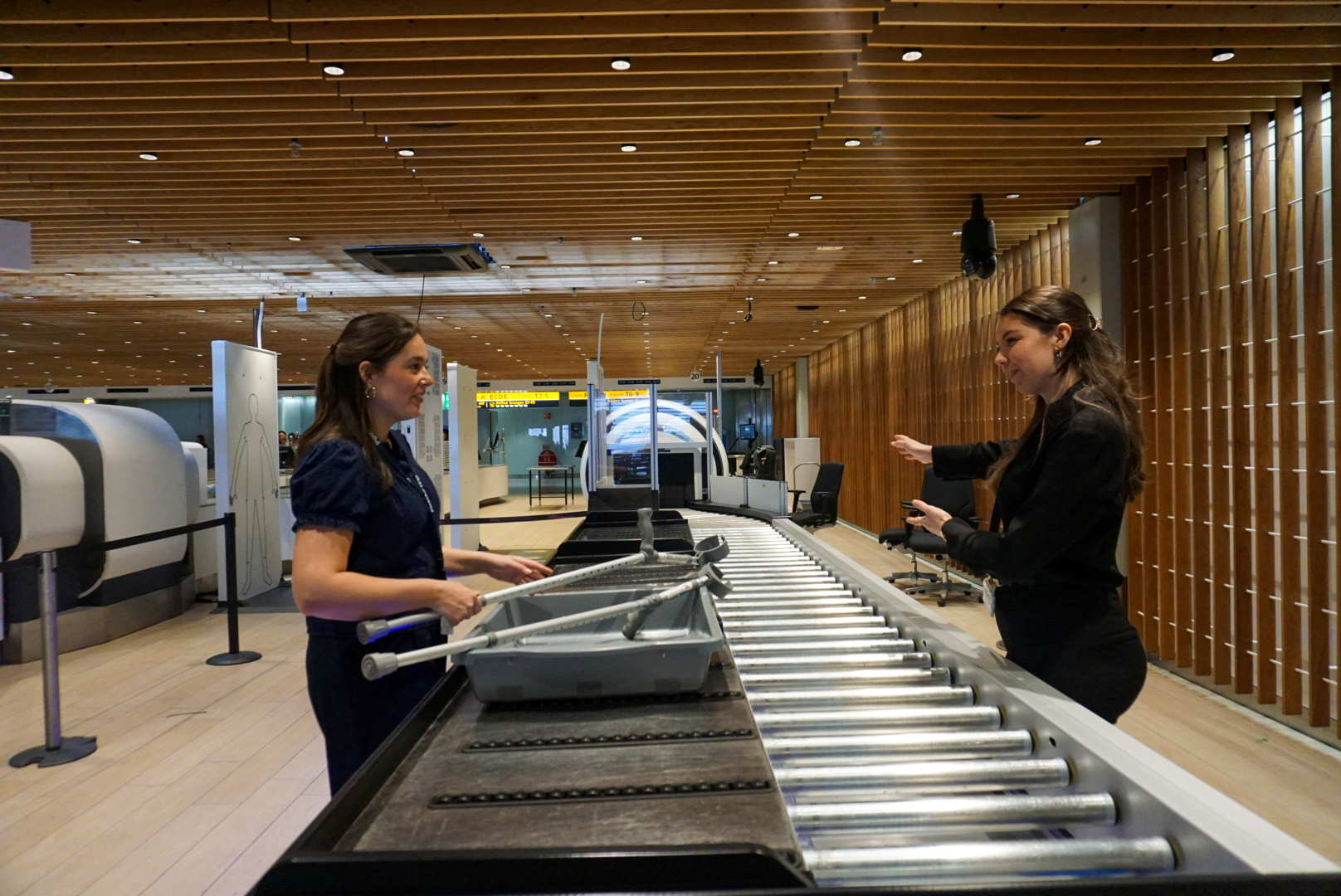
Every checkpoint is different. Equipment, procedures, staffing models, passenger flows and operational peaks vary between airports and security operations.
Point FWD therefore tailors training to the local checkpoint setup and the specific security equipment being introduced. This can include CT systems, graphical user interfaces, Automated Tray Return Systems (ATRS), X-ray Diffraction technology, APIDS and IOAO.
Training is also aligned with the applicable CONOPs, regulatory requirements and staffing models. This connects the technical capabilities of a system to the process in which it will be used and the people responsible for operating it.
“Technology only reaches its potential when people are trained to use it.”
Client success story: Vanderlande PAX Advanced
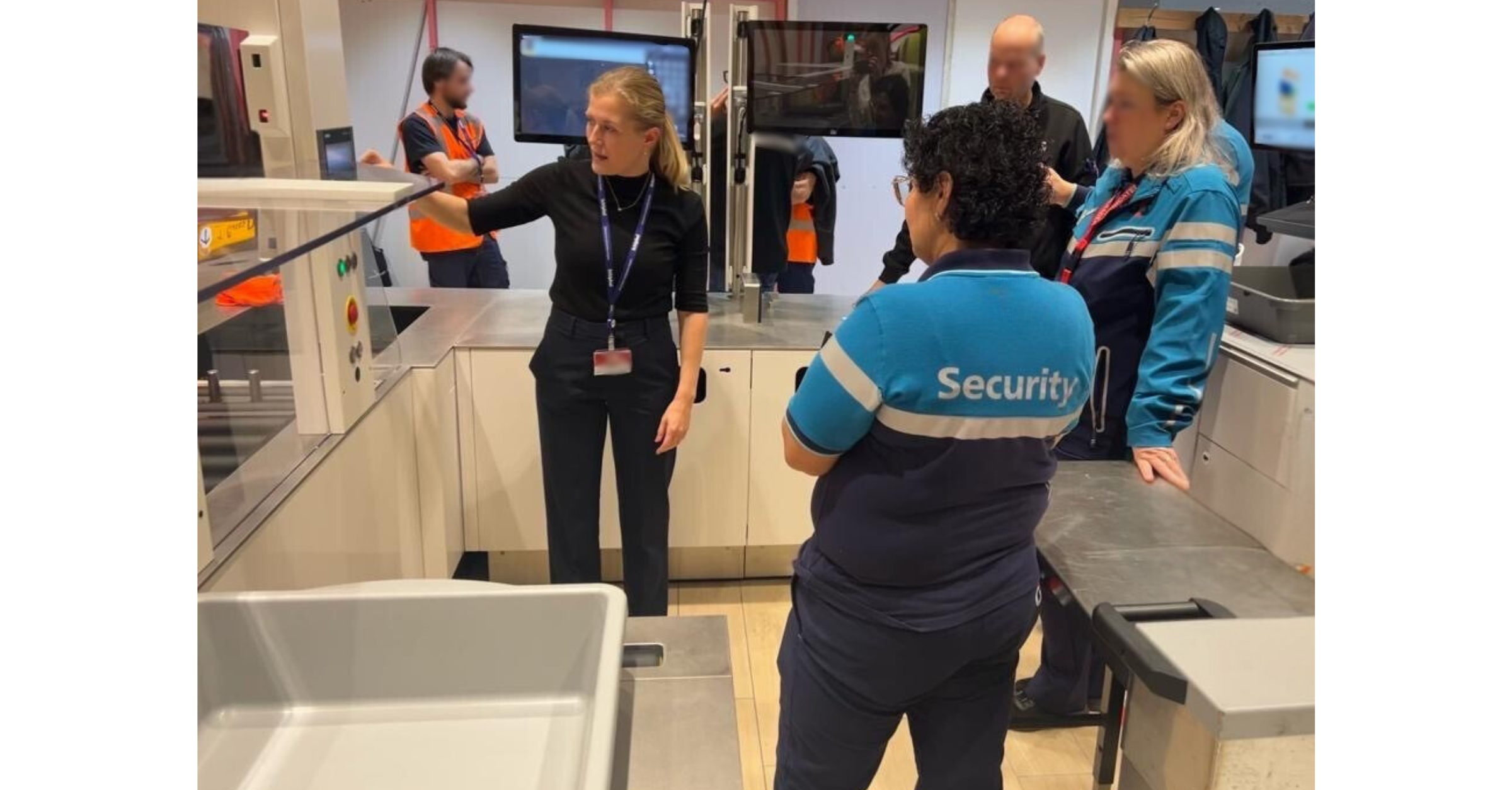
One of our recent programs involved the full development and implementation of training for Vanderlande’s PAX Advanced checkpoint solution.
The program delivered:
200+ operators trained across several Dutch security companies
Average training satisfaction score of 4.5 out of 5
150+ operator feedback insights collected and integrated into the solution
Input for graphical user interface improvements
Refinement of operational processes before go-live
The program contributed to operator confidence and readiness for operational go-live, while providing direct input for the further development of the checkpoint solution. These results show that training is essential to support both operational preparation and product development. By connecting operators, processes and technology, training becomes part of the wider implementation rather than a separate activity at the end of the project.
Preparing operators for new technology means preparing them for the full operational environment in which that technology will be used. Point FWD’s Training Proposition connects practical learning, human factors and operational expertise to help airports, security companies and OEMs make that transition.
Want to discuss your aviation security training needs?
Prepare your operators for new checkpoint technology, CONOPs and daily operational performance. Meet us at our office near Schiphol or schedule an online meeting.